
Legacy System Modernization
Incrementally replace aging internal systems with maintainable, secure software, without a risky big-bang cutover.
- Engagement
- Project or embedded team
- Team
- Dedicated engineering team
- Ownership
- Code, data and IP are yours
- Coverage
- US-based, nationwide clients
Replace the system without stopping the business
Aging internal systems rarely fail all at once. They get harder to change, harder to secure and harder to staff, while the people who understand them leave. The usual answer, a full rewrite and a single cutover date, carries real risk.
We favor incremental modernization: understand what the system actually does, put stable interfaces around it, and replace it piece by piece while operations continue.
Common starting points
- Business-critical spreadsheets with macros that only one person understands.
- Desktop or green-screen applications that can’t be used on modern devices or integrated with other tools.
- Unsupported platforms that fail security reviews or can’t be patched.
- Systems with no documentation where behavior has to be recovered from the code and the data.
Modernization usually pairs with API and integration development and ends in a custom web application your team can maintain.
Capabilities
What we build and how we build it
01
System assessment
Review of existing code, data and workflows to document what the system really does and what must be preserved.
02
Phased replacement
Replace functionality module by module behind stable interfaces so the business keeps running.
03
Data migration
Extraction, cleansing, transformation and reconciliation reporting so you can verify nothing was lost.
04
Spreadsheet to application
Turn business-critical spreadsheets and macros into governed, multi-user software.
05
Desktop to web
Move installed or green-screen applications to browser-based tools accessible from any device.
06
Security remediation
Replace unsupported components and add modern authentication, access control and audit logging.
Engagement Process
How an engagement runs
-
Step 1
Assess
Document current behavior, data and dependencies, and agree the risks.
-
Step 2
Plan
Define the target architecture and a phased migration path with rollback points.
-
Step 3
Build in parallel
Develop replacement modules while the legacy system continues to operate.
-
Step 4
Migrate and verify
Move data in stages with reconciliation checks at each step.
-
Step 5
Retire
Cut over, decommission and hand over documentation and training.
Software Development Questions
Everything you need to know about working with Etherea Labs.
Scope Your Legacy System Modernization
Select your architecture requirements and project stage. Our engineering team will review your system specifications and deliver a realistic roadmap.
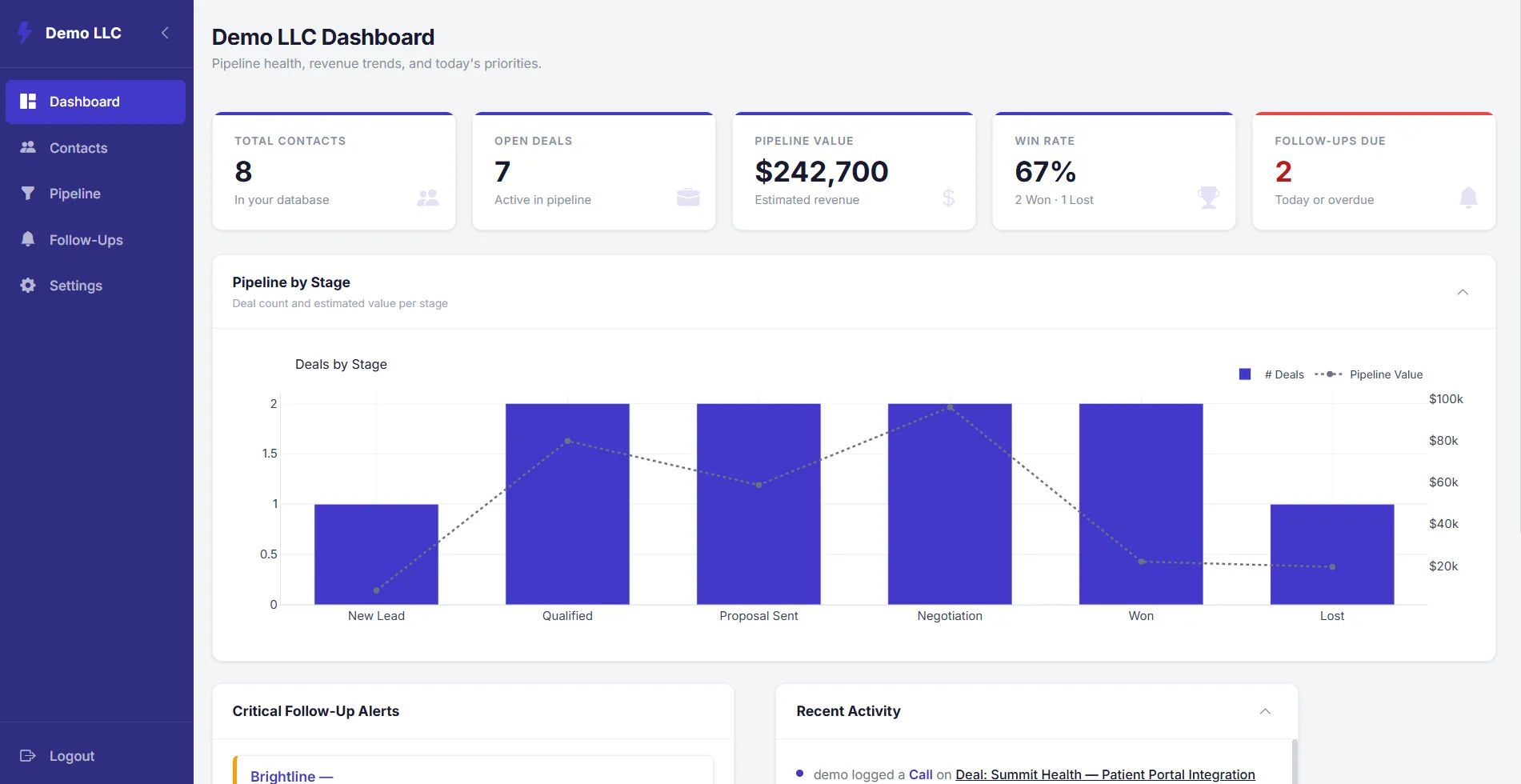
"Etherea Labs built a tailored CRM platform that replaced our fragmented spreadsheets with a reliable, unified workflow."
Enterprise CRM Case Study